
Quick Answer
A great Calgary backyard balances function, durability, and beauty against a tough prairie climate. The best designs use defined zones for cooking, lounging, and play, paired with hardscape elements that survive freeze-thaw cycles and chinook winds. Layered planting, smart lighting, fire features, water elements, and weather-ready structures turn a flat lot into a year-round retreat. Built well, these spaces add daily comfort and lasting value to the home.
Introduction
Have you ever stepped into a backyard that immediately made you want to stay outside until dark? That feeling rarely happens by accident. Behind every welcoming Alberta yard sits a thoughtful plan that accounts for sun angles, prairie wind, snow load, and how the family actually lives.
Calgary throws unique challenges at homeowners. Short summers, sharp chinook swings, dry air, and clay-heavy soil all push back against generic design templates pulled from American magazines. With the right mix of structure, planting, and finishing touches, though, a backyard here can rival any patio you’d see on a glossy cover. Calgary backyard landscaping companies like Tazscapes have spent years refining what genuinely works in this climate, and the patterns are worth studying for anyone planning a build.
The ten ideas ahead are grounded in real Calgary projects. Practical, climate-aware, and built to last well beyond the first frost.
Yard Features That Earn Their Keep in a Prairie Climate
Calgary yards need to do more than look pretty for a few summer weekends. They have to handle hail in July, snow in October, and chinook gusts that can swing temperatures by 20 degrees in an afternoon. The strongest backyard landscaping ideas here start with how a family wants to live outside, then layer in materials and plantings tough enough to survive Alberta’s mood swings.
1. Multi-Zone Patios
Single slab patios are losing ground to layered patios that separate cooking, dining, and lounging. Think a raised paver section near the back door for the grill, a sunken seating area around a fire feature, and a softer transition into the lawn. The result is a sense of “rooms” outdoors. Stamped concrete and natural stone both hold up well against freeze-thaw cycles when installed on a properly compacted base, which is the part most DIY jobs get wrong.
2. Composite Decking with Glass Railings
Decks built with composite boards and tempered glass panels have taken off for homes with views of the mountains or downtown. The glass cuts wind without blocking sight lines, and composite resists fading from prairie sun far better than cedar. For new builds in northwest and southwest neighbourhoods, it tends to be the smarter long-game call.
3. Fire Pits and Outdoor Fireplaces
A built-in gas fire pit extends usable evenings well into October. Stone-clad fireplaces work even better. They double as windbreaks and add a strong architectural anchor to the yard. Both options pair nicely with low Adirondack seating or curved bench walls.
4. Pergolas and Louvred Roof Structures
Adjustable louvre roofs are a recent favourite among Calgary homeowners. They open for the sun, close for rain, and let families use the patio in the shoulder seasons. Cedar and aluminum pergolas remain classic choices for shade and vine support, and they age better than most people expect.
5. Water Features
A bubbling rock, pondless waterfall, or small reflecting basin adds sound and movement to a yard without the maintenance headache of a full pond. These features also mask traffic noise from busier streets, which matters more in inner-city lots than people realize until they try to host dinner outside.
6. Outdoor Kitchens
A built-in grill island with stone counters, side burners, and storage turns the backyard into a true second kitchen. Insulated cabinetry rated for cold climates is worth the upgrade, and so is running a gas line instead of relying on propane tanks.
7. Synthetic Turf Play Zones
For families with kids or dogs, synthetic turf solves Calgary’s patchy lawn problem. It drains quickly, stays green through summer watering restrictions, and pairs well with rubber mulch under play structures. Good infill matters here. Cheap product gets hot and flat within two summers.
8. Retaining Walls and Terracing
Many Calgary lots slope, especially in hillside communities like Patterson, Discovery Ridge, and parts of the northwest. Retaining walls in armour stone or segmental block transform unusable grades into terraced garden beds, raised patios, or planting tiers that finally make the back half of the yard worth using.
9. Privacy Screening with Cedar Slats
Horizontal cedar slat panels offer modern privacy without the boxed-in feel of solid fencing. They filter wind, look sharp against stucco or Hardie board exteriors, and weather to a soft grey if left untreated. A growing piece of backyard design inspiration on Calgary infill builds.
10. Layered Native Planting
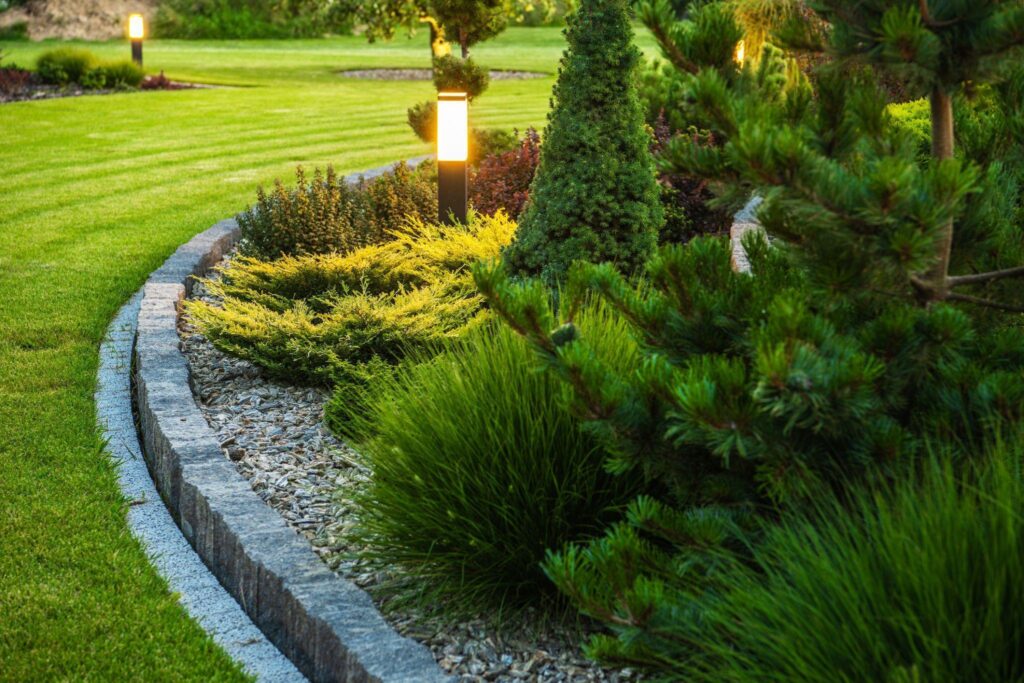
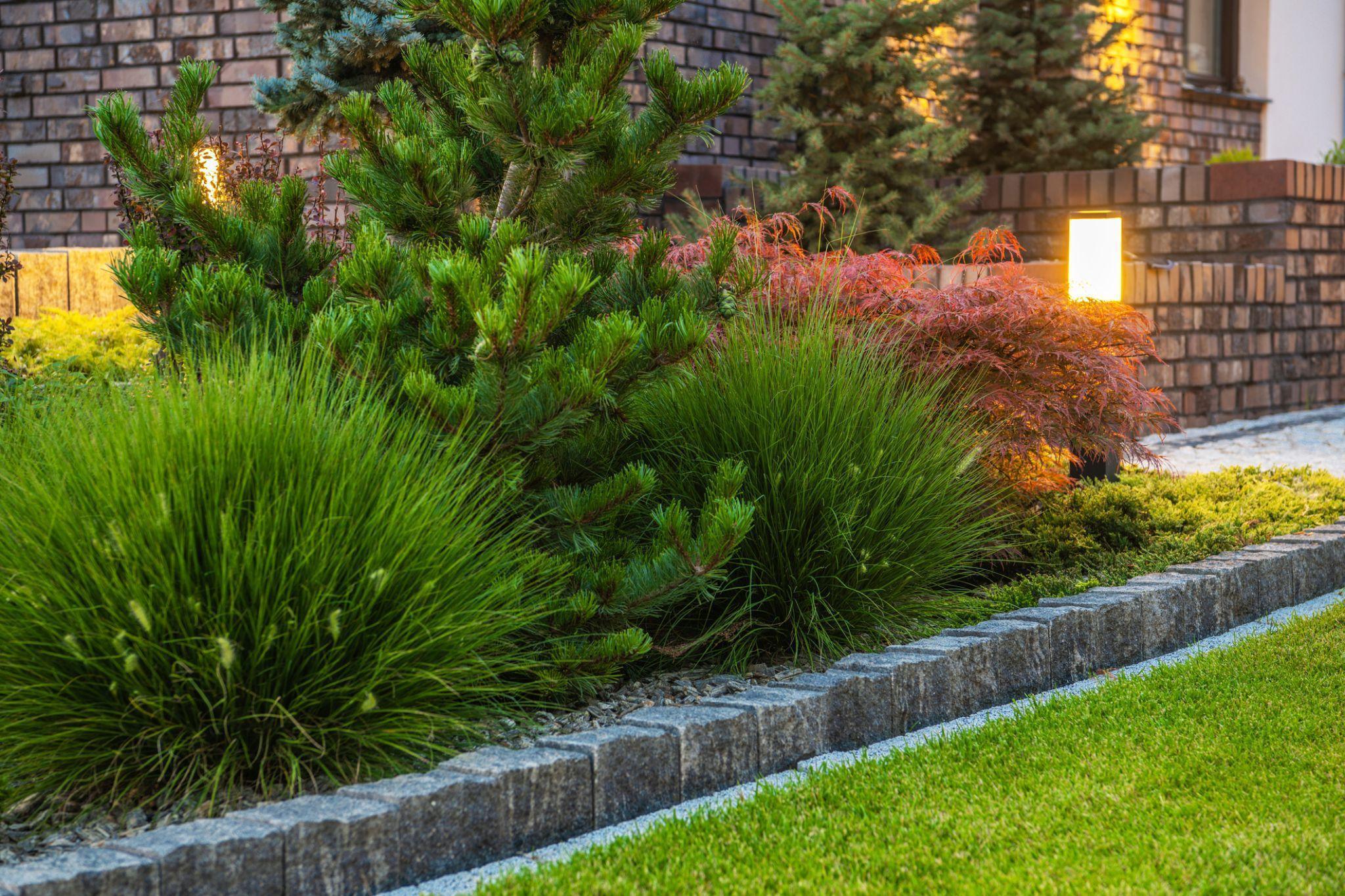
Calgary sits in plant hardiness zone 3, so the plant list shrinks fast. Mixing dwarf mugo pine, Karl Foerster grass, daylilies, and creeping junipers gives texture and colour from May through October with minimal watering once established. Add a few perennial standouts like blanket flower or yarrow for late-summer colour.
The right combination depends on the lot, the budget, and how often the family actually plans to be outside. That is where good planning earns its money.
Planning the Build Before the First Paver Goes Down
Picking favourites from a list of outdoor living ideas is the easy part. The harder work happens before construction begins. Measuring grades, mapping sun and shade, checking utility lines, and matching materials to how the family lives day to day. Skipping this step is the most common reason yards end up looking busy or breaking down within a few seasons.
Start with how the space will be used most often. A household that hosts weekend dinners needs different anchors than one chasing a quiet retreat after long workdays. Map out roughly three core uses, then design around those instead of trying to cram every trend into one lot.
Budget allocation matters just as much as feature selection. Here is a rough guide to where Calgary homeowners typically split their spending on a full backyard build:
|
Category |
Typical Share of Budget |
|
Hardscape (patios, walls, decking) |
45–55% |
|
Structures (pergolas, fences, kitchens) |
15–25% |
|
Planting and soil prep |
10–15% |
|
Lighting and irrigation |
8–12% |
|
Water and fire features |
5–10% |
Timing the build is another factor that catches people off guard. Most Calgary contractors book out months in advance, with spring and early summer being the busiest stretch. Booking design work in winter often means earlier install dates and better material lead times.
A few practical checks before any shovel hits the ground:
- Confirm property lines and any easements with a Real Property Report
- Call Alberta One-Call before you dig (utility locates are free and required)
- Check community bylaws on fence height, deck setbacks, and drainage
- Photograph the yard at different times of day to track sun exposure
These steps cost nothing and prevent the kind of mid-build surprises that turn into change orders later.
Designing a Yard You’ll Actually Use
A well-built Calgary backyard is part architecture, part garden, and part personal retreat. The yards that hold up over time are rarely the flashiest. They are the ones where every zone has a clear purpose, materials match the climate, and planting fills in gracefully over a few seasons. Outdoor living ideas only deliver lasting value when they fit the lot, the household, and the local weather honestly.
Whether the plan starts with a fire pit, a pergola, or a full multi-zone build, the principles stay the same. Define how the space will be used, invest in durable hardscape, and leave room for the yard to evolve. Calgary’s short summers are too good to spend on a backyard that doesn’t quite work. With thoughtful design, the space outside can become the part of the home everyone looks forward to most.