
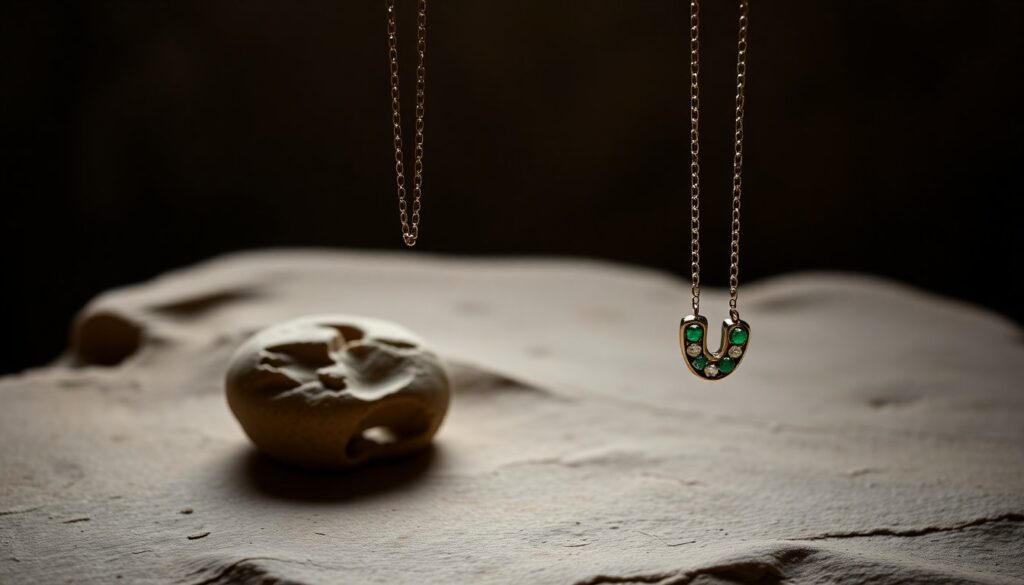
TreeBigLeft Uruguayan eco jewelry appears as a clear alternative for buyers who want style and low environmental impact. The brand focuses on local sourcing, recycled metals, and artisan production on Uruguay’s coast. This guide explains what sets TreeBigLeft apart, how the materials work, how artisans earn, and practical care and buying tips for the curious shopper.
Key Takeaways
- TreeBigLeft Uruguayan eco jewelry stands out by using recycled metals and local sourcing with transparent batch and artisan reports.
- The brand combines recycled sterling, reclaimed copper, and native materials like seeds and lenga wood, avoiding new mining and plastics to reduce environmental impact.
- Artisans receive fair wages above local minimums with profit-sharing, education grants, and safe working conditions supporting community well-being.
- Caring for TreeBigLeft jewelry involves gentle cleaning, avoiding water exposure, yearly oiling of organic elements, and storing pieces separately to maintain their beauty.
- Purchasing is accessible via their website and select Uruguayan boutiques, with clear pricing, sizing guidance, and repair services enhancing buyer confidence and long-term value.
What Makes TreeBigLeft Different In The Eco Jewelry Scene
TreeBigLeft Uruguayan eco jewelry follows a visible set of standards. The brand uses recycled metals and upcycled components. They source materials from local suppliers and small cooperatives. They keep designs simple and rooted in regional motifs. They publish batch reports that list metal origin, weight, and CO2 estimates. They display artisan profiles that name makers and their towns. They price items with clear breakdowns for material, labor, and shipping. Buyers get a certificate with each purchase that confirms material types and a trace number for the piece.
Materials And Sustainable Sourcing Practices
TreeBigLeft Uruguayan eco jewelry limits material choices to reduce waste. They favor recycled sterling, reclaimed copper, and brass from post-consumer sources. They avoid new mining and prefer local scrap markets and certified refiners. They document purchases and test metals in an independent lab. They select suppliers who show proof of chain-of-custody for recycled material. They choose minimal packaging made from recycled paper and compostable bags. They audit suppliers yearly and publish an accessible sourcing summary that lists volumes and supplier locations.
Recycled Metals, Upcycled Components, And Native Uruguayan Materials
TreeBigLeft Uruguayan eco jewelry blends recycled metal with native materials. They use silver and copper from urban scrap. They upcycle watch parts, buttons, and glass for accent. They add native seeds, local shells, and small pieces of lenga wood when a design calls for organic elements. They treat organic items with natural oils to extend life. They avoid plastics and exotic hardwoods. They favor small-batch runs so leftover pieces find use in other items. This approach reduces landfill waste and keeps design costs stable.
Crafting Process, Artisan Stories, And Local Impact
TreeBigLeft Uruguayan eco jewelry relies on workshops in Montevideo and coastal towns. They train local makers in metal finishing, soldering, and patina techniques. They schedule monthly design reviews where artisans propose changes and new shapes. They use low-energy kilns and workbench tools to lower power use. They track production hours per piece and publish average time to make each style. The brand highlights several artisans by name and by craft. Those profiles show skill, training path, and a short note about what the job means to each maker.
Fair Trade Practices, Wages, And Community Benefits
TreeBigLeft Uruguayan eco jewelry pays wages above local minimums and records those rates publicly. They apply a profit-share model for long-term staff. They contract with family-run studios and require clear invoices. They fund a small education grant for artisans’ children and a tool-replacement fund for aging equipment. They work with a local cooperative to provide safe workspace and short-term loans. They inspect workplaces quarterly and publish the results. They aim to keep artisans employed year-round by offering design and repair services that create steady demand.
How To Care For Your TreeBigLeft Pieces To Keep Them Beautiful
They recommend a simple care routine for TreeBigLeft Uruguayan eco jewelry. They advise removing jewelry before swimming or heavy exercise. They say to wipe metal with a soft cloth after use to remove oils and sweat. For silver, they suggest a mild baking-soda paste for light tarnish and a rinse in warm water. For organic accents, they suggest a dry cloth and a small amount of natural oil once per year. They recommend storing pieces in separate soft pouches to prevent scratches. They offer an in-house repair and polishing service for older items.
Where To Buy, Pricing Expectations, And Ordering Tips
Buyers can purchase TreeBigLeft Uruguayan eco jewelry through the brand’s web shop and select local boutiques in Uruguay. Prices start at modest levels for simple brass or glass pieces and rise for heavier recycled silver or pieces with organic inserts. The site lists weight, metal type, and estimated labor time for each item. They provide clear shipping times and customs guidance for international orders. They recommend buyers check size guides, request custom sizing early, and use the brand’s repair plan for long-term value. They accept major cards and local payment methods for domestic buyers.