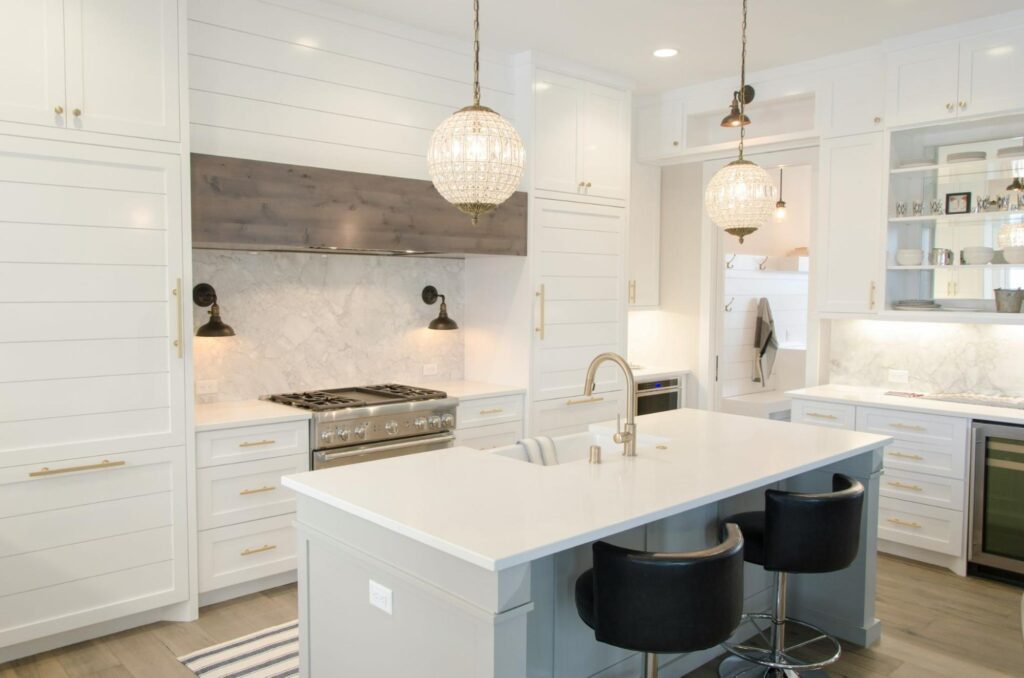

Wall panelling has firmly cemented its status as a timeless architectural element, yet its expression in the contemporary home continues to evolve. Moving into 2026, we see a fascinating convergence of classic forms, innovative materials, and a design philosophy focused on texture, warmth, and functionality. This is not the dark, dated wood panelling of the past; this is a refined, sculptural approach to interior design.
The Resurgence of Architectural Character
After years dominated by cool-toned minimalism, homeowners are actively seeking to inject architectural soul and character back into their spaces. Panelling provides a simple yet impactful way to achieve this, adding depth and shadow play that a plain painted wall simply cannot. The trend is moving towards designs that feel established and intentional, reflecting a desire for homes that are comforting, grounded, and restorative.
Modern Twists on Classic Styles
Traditional styles, long associated with period properties, are being re-embraced with contemporary updates.
- Wainscoting and Shaker Panelling: The formality of wainscoting—panelling covering the lower portion of a wall—remains a popular choice for adding a sense of history and structure to hallways and dining rooms. Its modern counterpart, Shaker panelling (characterised by flat panels within a simple, clean frame), continues to be favoured for its versatile, grid-like pattern that suits both modern farmhouse and traditional decor. In 2026, these classic styles are often painted in warm neutrals—think soft beiges, sand, and earthy reds—moving away from the stark white or cool grey palettes.
- V-Groove and Nickel Gap: These tongue-and-groove variations offer subtle differences in character. V-groove panelling, with its definitive ‘V’ profile where the planks interlock, creates a polished, streamlined look that works beautifully in older homes. Nickel gap offers a more modern, defined shadow line between planks, lending itself to a transitional or coastal-inspired aesthetic, adding texture without being overwhelming.
The Dominance of Texture and Linear Design
The biggest shifts are occurring in textured, three-dimensional designs that turn a flat wall into a sculptural feature.
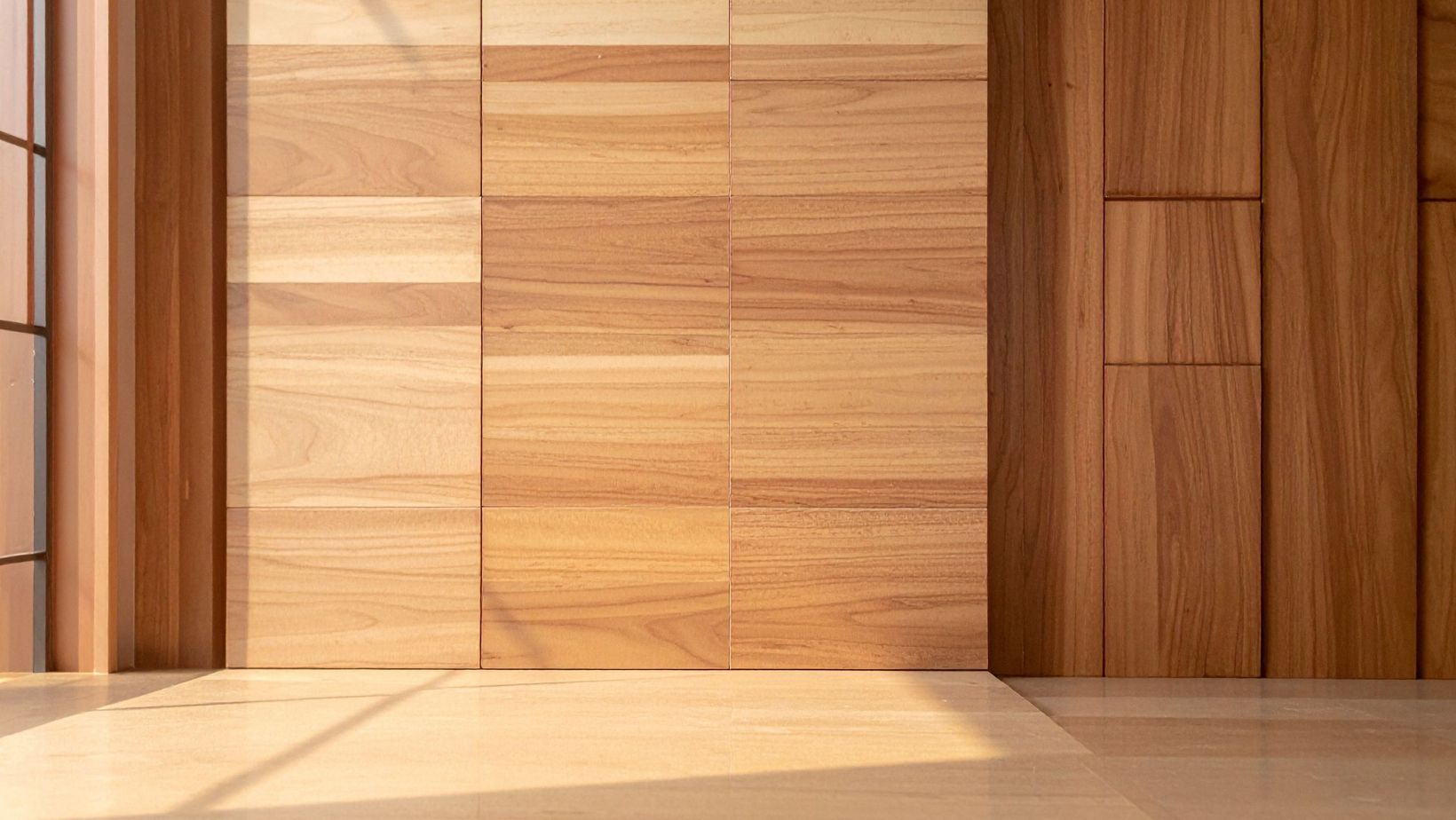
The goal is to engage the senses and create visual rhythm.
Ribbed Panels and Slatted Systems
Linear profiles are the hallmark of contemporary panelling. A major trend continuing its ascent is the use of ribbed panels—which encompass fluted, reeded, and slatted designs. These panels feature a series of parallel, raised lines that create dramatic visual interest through the interplay of light and shadow.
- Ribbed/Reeded Panelling: This style is defined by its gently curved, convex or concave profiles. It is a highly sophisticated way to add texture, often seen in luxurious accent walls, bedroom headboards, or to define zones in open-plan living areas. The vertical orientation is highly effective in making ceilings appear higher, adding an elegant sense of height to a room.
- Acoustic Wood Slats: The rise of home offices and media rooms has driven the demand for panelling that is both beautiful and functional. Acoustic wood slats, backed with felt or sound-dampening material, offer an elegant solution for noise reduction while providing a clean, modern aesthetic. Typically made from natural wood veneer, they bring essential warmth and texture, aligning perfectly with the trend for natural materials.
Bold Geometric and 3D Designs
For those looking to make a significant statement, 3D and geometric panels are the ultimate feature wall solution. Moving beyond simple rectangles, these designs incorporate prisms, waves, and abstract patterns. Made from innovative materials like MDF, PVC, or composite materials, they allow for artistic expression and are often paired with integrated LED lighting to dramatically enhance the texture and depth of the design.
Material Matters: Sustainability and Durability
The materials chosen reflect a growing commitment to sustainability and low-maintenance luxury.
- Natural Wood: Materials like oak, walnut, and cedar are prized for their authentic warmth and character. There is a strong movement towards wood-drenching, where natural wood panelling is used floor-to-ceiling to create an immersive, cosy, and elegant space.
- Engineered Composites: For high-moisture areas like kitchens and bathrooms, or for budget-conscious projects, engineered options are evolving. Moisture-resistant MDF (MR-MDF) and Wood Plastic Composite (WPC) panels offer the desirable aesthetic of natural wood or stone while providing superior water resistance and durability. They are a practical choice for achieving a high-end look without the maintenance required for some natural materials.
- Upholstered and Fabric Panels: In bedrooms and home cinemas, soft, plush upholstered panels are trending for their luxurious look, comfort, and excellent sound insulation properties, contributing to a sense of calm and well-being.
The panelling trends for 2026 demonstrate a mature approach to interior design, where decorative features must also provide practical or sensory benefits. Whether through the stately elegance of wainscoting or the architectural rhythm of ribbed panels, the future of wall panelling is about creating sophisticated, textured, and deeply personal interiors.