
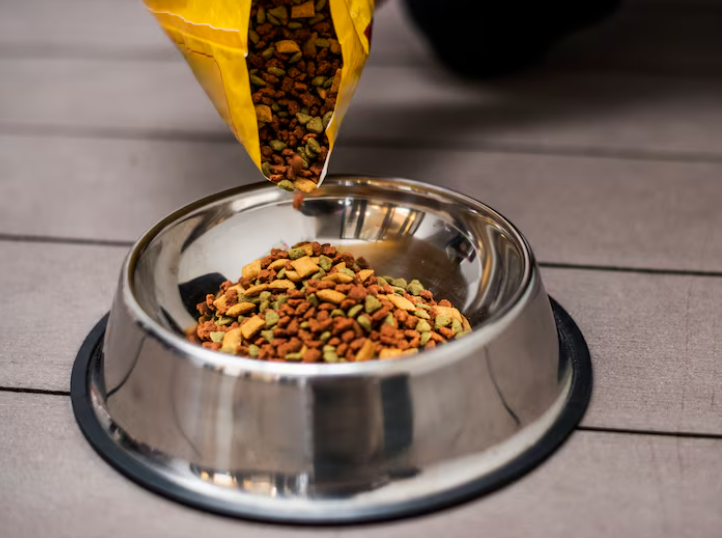
Introducing a new dog food requires thought and patience. A gradual transition helps prevent digestive upset and gives your dog’s system time to adjust, leading to better stool quality, sustained appetite, and long-term comfort. Instead of jumping straight to a new formula, using thoughtful steps ensures the switch feels smooth for your dog.
Below are nine practical ways to introduce new dog food gradually, methods you can use alone or combine depending on your dog’s sensitivity and eating habits.
1. Start With a Small Mix of New and Old Food
Begin by adding just a small amount of the new food to your dog’s current meals. Even a 10–20% addition of the new food helps ease the digestive system into the change.
For example:
- 80% old food
- 20% new food
This slow start is less overwhelming for the stomach and allows you to observe reactions early.
Explore balanced nutrition options under dog food to find starter mixes that suit your dog.
2. Gradually Increase the Proportion Over Days
After a few days of easing in, begin increasing the proportion of new food while decreasing the old. A gradual shift over approximately 7–10 days gives the digestive system time to adapt.
An example transition schedule might look like:
- Days 1–2: 80% old, 20% new
- Days 3–4: 60% old, 40% new
- Days 5–6: 40% old, 60% new
- Days 7–9: 20% old, 80% new
- Day 10: 100% new
This steady progression helps keep stool consistency stable.
3. Observe Stool Quality Daily
During a transition, stool quality can be one of the earliest indicators of how well your dog’s digestive system is adapting. Normal, well-formed stools usually mean the new food is being tolerated.
If stools become too soft or too firm for several days in a row, slow down the transition and hold at the previous ratio until comfort returns.
Using resources like the best dog food canada guides can help you compare formulas when digestion is a priority.
4. Keep Mealtime Routine Consistent
While the food itself changes, keeping other parts of the meal routine consistent helps reduce stress. Feed at the same times, in the same location, and use familiar bowls.
Routine predictability supports digestion and signals safety to your dog, making the new food feel less foreign.
5. Use Warm Water or Broth to Increase Palatability
Some dogs need an extra nudge to accept a new food, especially if they are picky eaters. Adding warm water or a little low-sodium broth can make the new food more inviting.
The added moisture also supports hydration, which can be helpful during dietary transitions.
6. Mix in Small Amounts of Familiar Toppers
If your dog is hesitant, try mixing a small amount of a familiar topper or healthy treat with the new food to boost flavor. Just be careful not to rely on toppings that are high in fat or calories.
This method can work well during the early days of mixing, helping bridge acceptance.
7. Switch Only One Variable at a Time
If you’re changing food and feeding schedule, or food and portion sizes, do those things separately. Changing too many variables at once can make it hard to know what your dog is reacting to.
For example, keep feeding times the same while you change food—then adjust portions later if needed.
8. Monitor Appetite and Eating Style
Some dogs eat eagerly through transitions, while others become hesitant. Appetite changes aren’t always a red flag, but if your dog refuses meals for more than a day or two, give it time and consider slowing the transition.
Encouraging eating with patience and predictable portions helps maintain consistency without pressure.
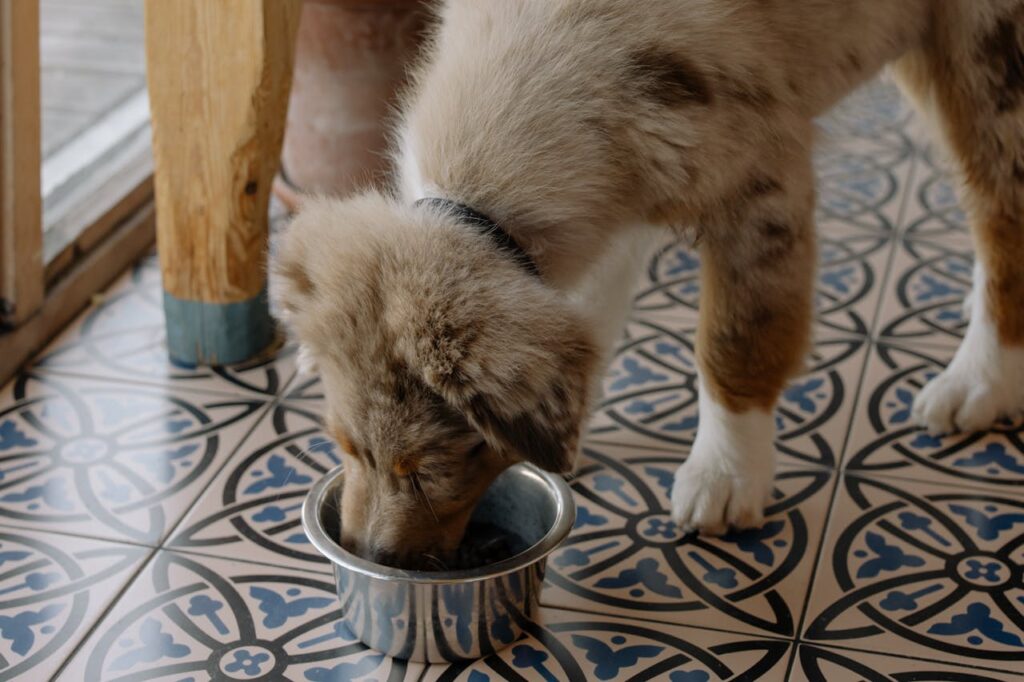
9. Consult a Professional if Needed
Dogs with sensitive digestion, allergies, or chronic digestive patterns may need a more tailored approach. A veterinarian or canine nutrition expert can help you choose an appropriate formula and transition timeline that fits your dog’s individual needs.
Sometimes a specific type of food—such as protein-rich or digestive support formulas—may be recommended based on your dog’s history.
Quality options like orijen dog food are often considered by owners and professionals alike when looking for nutrient-rich, well-sourced formulas. But the best choice always depends on your dog’s unique health profile.
Final Thoughts
Transitioning to a new dog food doesn’t have to be stressful for you or your dog. The key is patience, observation, and a slow, thoughtful pace that gives the digestive system time to adapt. By breaking the switch into steps, monitoring how your dog responds, and maintaining consistent routines, you make the change smoother and more manageable.