
Interior design often focuses on major elements such as furniture, lighting, and wall colors. However, some of the most impactful design upgrades come from smaller architectural details. One of these details is the skirting board, which sits where the wall meets the floor and provides both aesthetic and practical benefits.
Modern interiors rely heavily on clean finishes and well-defined edges, and thoughtfully chosen skirting boards can significantly enhance a room’s overall appearance. From minimalist styles to bold architectural profiles, modern designs can instantly elevate interior spaces.
Minimalist Skirting Board Designs for Contemporary Homes
Minimalism remains one of the most popular trends in modern interior design. In this style, simplicity and clean lines are key. Minimalist skirting boards are typically slim, smooth, and free from decorative patterns, allowing them to blend seamlessly into the room.
Flat-profile skirting boards painted in the same color as the wall can create a subtle and refined look. This design approach works particularly well in apartments, modern living rooms, and open-plan spaces where visual clutter is kept to a minimum. The result is a clean, sophisticated finish that supports the overall aesthetic without drawing too much attention.
Taller Profiles That Add Architectural Character
While minimalist designs are widely used, taller skirting boards are making a comeback in many modern interiors. These designs provide stronger visual framing and can add a sense of elegance to a room.
High-profile skirting boards work particularly well in spaces with higher ceilings, where they help balance proportions and give walls a more structured appearance. They also allow designers to incorporate subtle detailing that enhances the room’s architectural character without overwhelming the overall design.
This style is often seen in contemporary homes that combine modern furnishings with classic architectural elements.
Coordinating Skirting Boards With Flooring and Walls
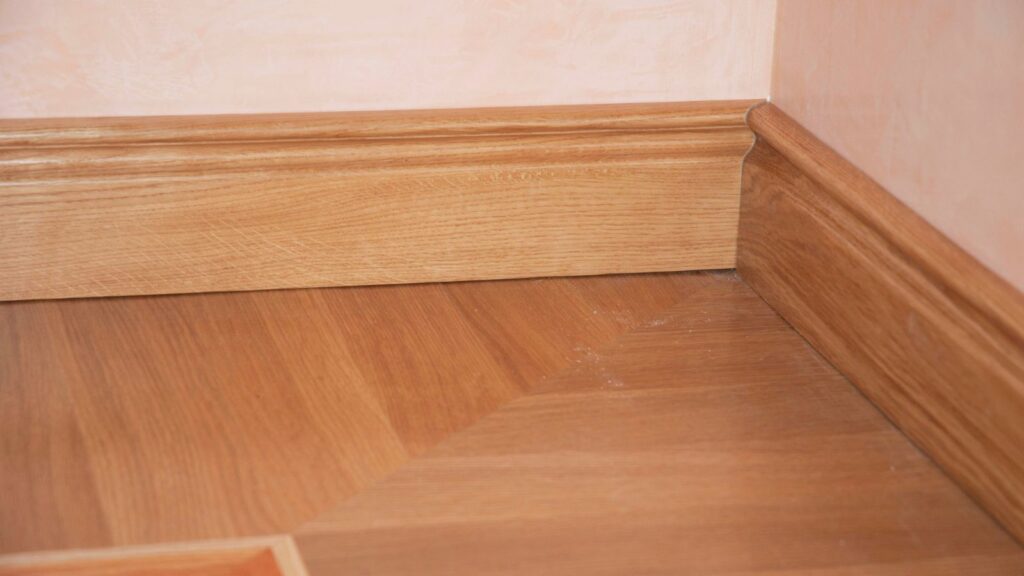
One of the most effective ways to upgrade an interior space is by ensuring that all design elements work together harmoniously. Skirting boards play an important role in visually connecting walls and flooring.
For example, light-colored skirting boards paired with neutral walls can create a bright and spacious feel. Alternatively, darker skirting boards can provide contrast and highlight flooring materials such as hardwood, laminate, or tile.
Interior designers often use this technique to define spaces more clearly and create a cohesive design flow throughout the home.
Functional Benefits That Support Modern Living
Beyond aesthetics, skirting boards also serve several practical functions. They protect the lower part of walls from scuffs, dents, and damage caused by furniture movement, cleaning equipment, or everyday activity.
Additionally, they help conceal small gaps between the flooring and walls, giving rooms a polished, professional finish. In modern homes where attention to detail is essential, these practical benefits make skirting boards an important element of both design and functionality.
Small Details That Make a Big Difference
Interior upgrades do not always require major renovations or expensive redesigns. Sometimes, the most noticeable improvements come from small architectural details that refine a space’s overall look.
Modern skirting boards offer a simple yet effective way to enhance interior design while also protecting walls and improving finishing quality. By selecting the right style, height, and color, homeowners can instantly upgrade their interior spaces and create rooms that feel more complete, balanced, and visually appealing.