Shared living spaces come with shared challenges, and few are as persistent as the daily scramble for storage. When two or more people occupy a space designed for one, closets fill up fast, kitchen cabinets become contested territory, and bathroom counters are full of overlapping toiletries. The good news is that a few thoughtful adjustments can transform a cramped shared apartment into a functional, organized home. Whether you're settling into your first roommate situation or looking to fix long-standing clutter problems, these strategies can help everyone in the household reclaim their space.
Rethink Your Closets Before Buying Anything New
Before investing in storage solutions, it's worth auditing what's already available. Closets are often underutilized because they're organized for a single occupant rather than divided fairly among several. Adding a second closet rod at a lower height instantly doubles hanging space without you needing new furniture. Over-the-door organizers, which fit onto nearly any closet or bedroom door, offer additional room for shoes, accessories, or toiletries that would otherwise clutter shared surfaces.
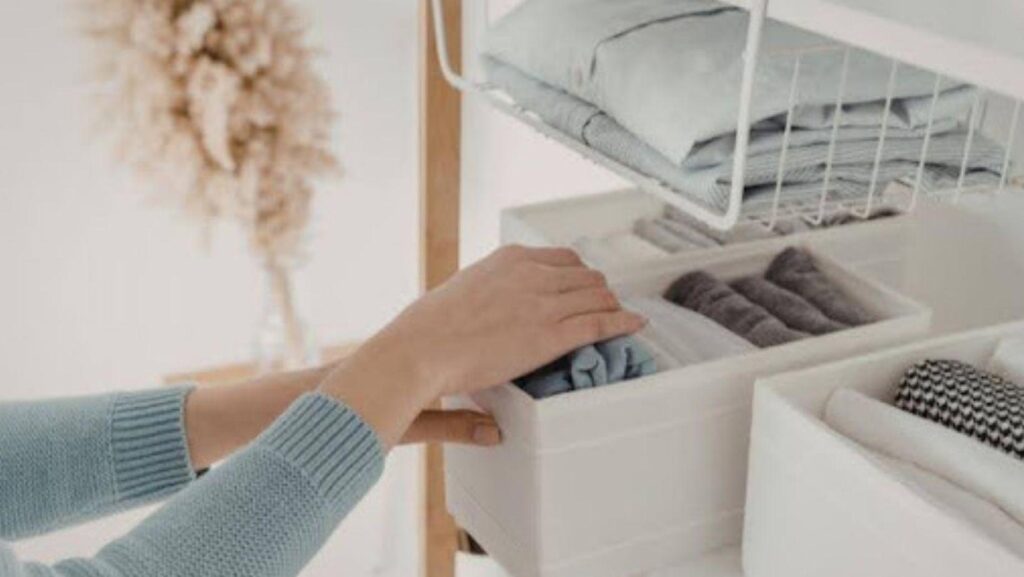
Clear bins with labels also make a noticeable difference in closets shared by roommates. When everyone can see what's inside a container without opening it, mix-ups are less likely and finding items becomes faster. This small change reduces the frustration that often comes from rummaging through someone else's belongings by accident.
Divide Kitchen Storage With Intention
The kitchen is frequently the most contested room in a shared household, since cooking equipment, pantry items, and personal food all compete for the same limited cabinet and refrigerator space. Rather than letting storage happen organically, it helps to divide the kitchen deliberately. Assigning each roommate a specific shelf in the pantry and a dedicated section of the refrigerator prevents the kind of confusion that leads to spoiled food or missing ingredients.
Stackable bins and turntables (also known as lazy Susans) can maximize awkward cabinet corners that often go unused. Vertical dividers for baking sheets, cutting boards, and pot lids also free up significant space, since these items tend to create clutter when stored flat. For households that cook frequently, a small rolling cart can serve as extra counter and storage space that isn't tied to a fixed location, making it easy to move out of the way when the kitchen gets busy.
Create Zones in Common Areas
Living rooms and entryways in shared apartments tend to accumulate a mix of mail, shoes, bags, and miscellaneous items that don't have an obvious home. Establishing designated zones for these categories keeps common areas from becoming disorganized. A shoe rack near the entrance, a small basket for incoming mail, and hooks for bags or coats can prevent the pileup that often happens near a front door.
For roommates managing separate schedules, moving into a new apartment often means starting these systems from scratch. If you’re searching for a compatible living situation and looking to establish good habits from day one, it’s worth using a Dallas roommate platform or a Philly roommate finder to connect with people whose organizational habits and lifestyle align with your own. Finding roommates who share similar expectations around tidiness and shared space can make it considerably easier to implement these storage systems successfully, since everyone is working from the same baseline.
Use Vertical Space to Your Advantage
Floating shelves installed above desks, beds, or in hallways provide storage without sacrificing square footage. Pegboards, increasingly popular in shared kitchens and craft spaces, allow for customizable organization that can be rearranged as needs change.
Bedrooms benefit from this approach as well. Bed risers create extra clearance underneath for storage bins, which is especially useful for out-of-season clothing or bulky items like luggage. Wall-mounted organizers for jewelry, accessories, or office supplies keep dresser tops and desks clear, reducing visual clutter in a room that may already feel small when shared with roommates' overflow items from common areas.
Set Shared Systems for Cleaning and Maintenance Supplies
Cleaning products, tools, and household maintenance items are easy to overlook when planning storage but can quickly become disorganized if left without a system. A bin or small closet section for shared cleaning supplies will stop duplicate purchases and ensure everyone knows where to find what they need. Labeling these supplies as communal, separate from personal items, also reduces the likelihood of mix-ups.
For roommates who split costs on items like vacuum cleaners, tool kits, or seasonal decorations, a labeled storage tote in a closet or under a bed keeps these items accessible but out of the way when not in use. This approach works particularly well in smaller apartments where a dedicated utility closet isn't available.
Communicate About Storage Expectations Early
Physical solutions only go so far without clear communication. Roommates who discuss storage expectations before move-in day, or shortly after, tend to avoid many of the conflicts that arise from assumptions about shared space. Simple conversations about which cabinets belong to whom, how shared items will be stored, and what common areas should look like can prevent frustration down the line.
Revisiting these agreements periodically also helps, since needs change as roommates settle into a space or as new items are acquired. A quick check-in every few months keeps storage systems working as intended rather than gradually breaking down.
Final Thoughts
Living with roommates doesn't have to mean living with clutter. With a bit of planning, intentional zoning, and open communication, shared spaces can function smoothly for everyone involved. Start by addressing the areas causing the most friction, whether that's the kitchen, the closet, or the entryway, and build outward from there. Small, consistent changes tend to have the biggest impact over time, turning a cramped shared apartment into a home that works for everyone in it.