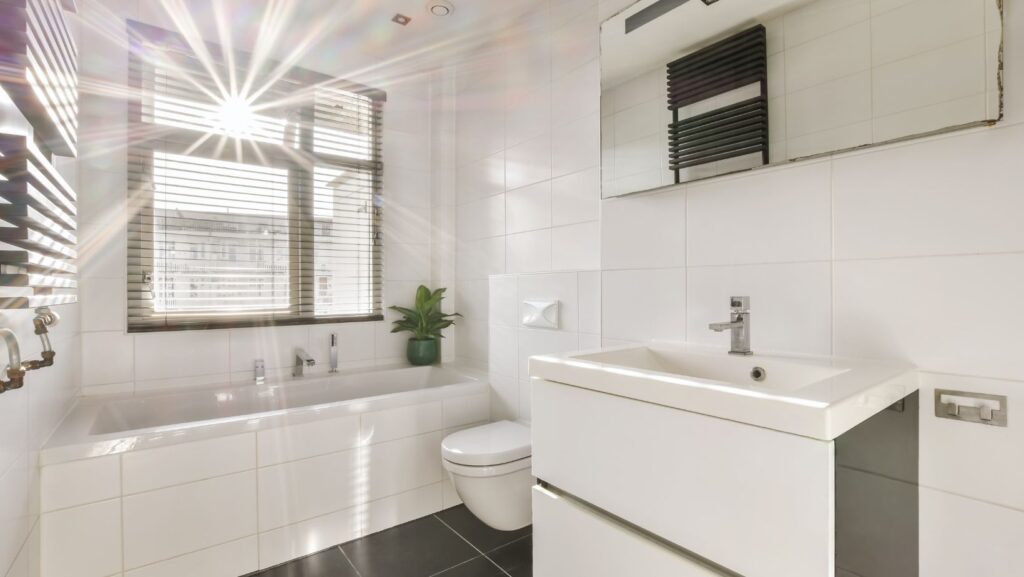
As energy costs continue to rise, homeowners are increasingly turning to innovative solutions to reduce their heating bills. One such solution is the use of thermostatic radiator valves (TRVs), which not only optimise energy usage but also contribute to a more comfortable indoor environment. Interestingly, these valves are also compatible with a variety of radiator types, including vertical radiators , making them a versatile choice for modern homes.
Understanding Thermostatic Radiator Valves
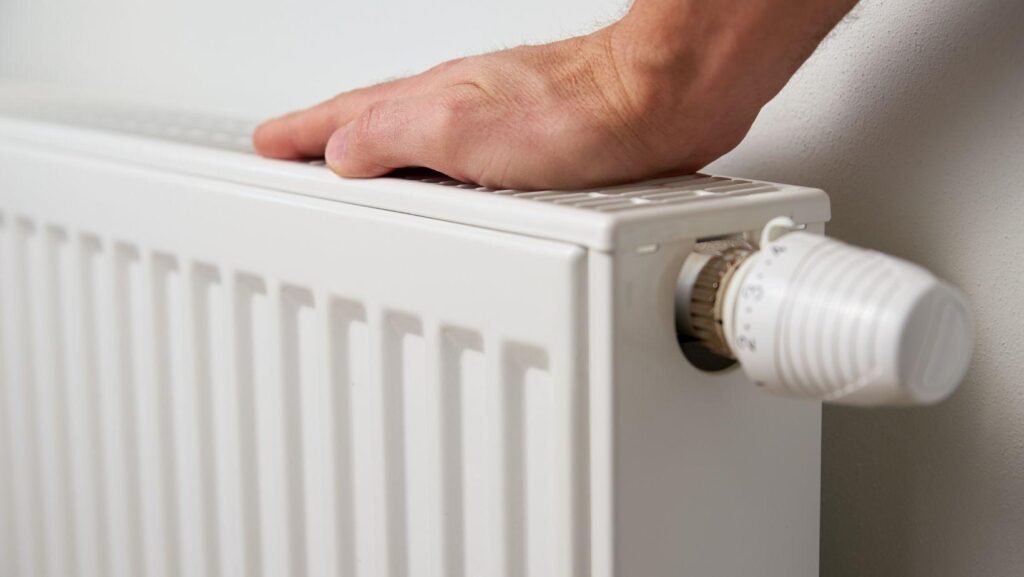
Thermostatic radiator valves are devices fitted to individual radiators, allowing you to control the temperature of each room independently. Unlike traditional valves, TRVs adjust the flow of hot water into a radiator depending on the temperature setting. This means each room can be set to a different temperature, contributing to energy savings and personalised comfort.
The Mechanics of TRVs
At the core of a TRV is a sealed, bellows-like capsule filled with wax or liquid. As the room temperature changes, the substance within the capsule expands or contracts. This movement is transferred to a pin that opens or closes the valve, thereby regulating the flow of hot water. As a result, the radiator maintains a consistent temperature that corresponds to the setting you've chosen. This mechanism allows for more precise control over your home's heating, reducing unnecessary energy consumption.
Compatibility and Application
One of the great advantages of thermostatic radiator valves is their versatility. They can be installed on radiators of various designs and sizes, including modern vertical radiators, which are increasingly popular in contemporary home designs. The flexibility to use TRVs with different radiator types ensures that homeowners can enjoy the benefits of tailored heating solutions without compromising on style or efficiency.
Energy Efficiency and Cost Savings
By controlling the temperature in each room, TRVs help to avoid the common problem of overheating, which is a significant cause of wasted energy. When a radiator is consistently running at a lower temperature, less hot water is required, thus reducing energy CO2 emissions and saving money on heating bills. According to some estimates, the efficient use of TRVs in a home can reduce heating costs by up to 30%, making them a financially wise investment.
Environmental Benefits
Beyond cost savings, thermostatic radiator valves offer environmental benefits by promoting more responsible energy consumption. By reducing the demand for heating, TRVs can lower household carbon footprints. This is particularly important in the context of global climate goals, where improving domestic energy efficiency plays a crucial role in reducing environmental impact.
Ben Austin is the founder and CEO of Absolute Digital Media, a UK-based SEO and digital marketing agency established in 2008. The agency specialises in regulated industries including iGaming SEO, financial services, legal, and healthcare, and has accumulated over 175 industry awards. Ben has 17 years of hands-on experience in technical SEO, link acquisition, and search strategy for compliance-sensitive sectors. He writes on organic search, AI-driven visibility, and LLM citation optimisation.