
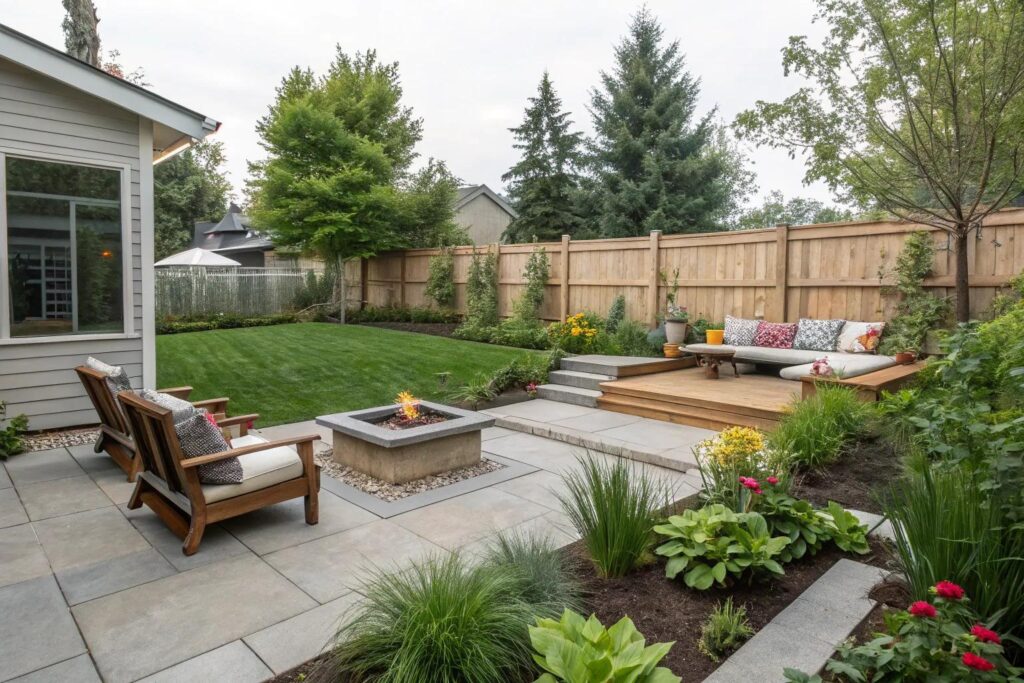
Most people do not notice a storage problem when it starts. They notice it when the garage will not close, the patio is crowded with off-season gear, and the hallway closet becomes a holding zone for things that were supposed to be temporary.
For homeowners focused on home organization, outdoor living, and practical space management, the issue is less about owning too much and more about where items sit between uses. Lawn tools, patio cushions, holiday décor, kids’ sports gear, spare furniture, and seasonal planters all need a place to land without taking over the parts of the home that have to function every day.
That handoff point matters. If it is vague, clutter drifts. If it is defined, the house stays usable and the outdoor areas stay ready instead of buried under downtime and delay.
When space is unmanaged, small oversights become expensive
Home and garden spaces are full of items that are useful but not always in use. That makes them easy to ignore until the oversight becomes visible: a cracked planter left outside, a rusted tool, a wet cushion that never fully dried, or a stack of boxes blocking the item you needed right away.
The problem is not appearance. It is accountability. If seasonal items do not have a clear home, they get parked wherever there is room. Then the system depends on memory, and memory is a weak reporting tool. You lose time looking for things, buy duplicates, or create damage because items were not protected properly.
A practical plan supports the rest of the house. It reduces friction in daily routines, keeps outdoor living areas usable, and limits the drift that turns temporary into permanent. In that sense, storage is part of how a household stays organized under real pressure.
A usable plan beats a perfect one
The goal is not a flawless organization system. It is one that works under pressure, survives busy seasons, and does not depend on ideal behavior. That means clear categories, stable routines, and a plan for items that should not live in the house year-round.
It also helps to think in terms of condition, not just category. Outdoor cushions need dryness and airflow. Metal tools need rust prevention. Pots and planters need to be cleaned before they are stacked. A good plan treats these details as part of the system, because they decide whether the item is ready when needed or damaged before the next use.
Another useful lens is volume. Some belongings are not especially valuable, but they take up a disproportionate amount of room. Folded chairs, large garden containers, inflatable pools, and sports gear can overwhelm a closet or corner quickly.
- Sort by access frequency before you sort by type.
- Keep everyday items close, seasonal items grouped, and rarely used items separated.
- Build a simple inventory list for bulky or easy-to-forget items.
- Create one weekly or monthly reset point so overflow does not become normal.
Think about what needs protection:
Sun, moisture, dust, and temperature swings all affect home and garden items. A cushion can fade, a bag of soil can harden, and a power tool can suffer if it sits in the wrong place too long. Planning for protection matters as much as planning for access.
Think about how often the seasons change the load:
The home and yard do not hold steady throughout the year. Spring planting, summer entertaining, fall cleanup, and winter storage each put different demands on the same square footage. A useful plan expects those shifts instead of reacting to them after the space is already crowded.
When seasons change, a space that worked in June may fail in October. Flexible categories let you rotate items in and out without rebuilding the whole system every time the weather changes.
Do not let temporary overflow become the default:
A folding chair in the hallway, a stack of gardening supplies in the entry, or a box of decorations in the dining room can seem harmless for a while. The problem is that temporary placements become normal very quickly.
Once that happens, the house starts absorbing the overflow instead of directing it. A strong plan interrupts that pattern before it hardens into habit.
Good space management is really about reducing friction
The best home organization plans are not the most elaborate ones. They are the ones that reduce small failures. A clear place for the mower, a separate spot for the planters, a known landing zone for garden supplies, and a defined place for overflow all keep the household from wasting time on routine retrieval.
Start by mapping the highest-friction zones in the home. The garage, mudroom, back porch, basement, or shed often carry the most strain because they handle both daily traffic and seasonal overflow. Once those areas are identified, it becomes easier to assign them specific jobs instead of letting them absorb everything.
Then group items by use pattern. The things you reach for every few days should be easy to grab and easy to put back. The things you need only a few times a year should not compete for prime space. At that point, many teams begin comparing NSA Storage based on how they actually perform day to day.
Finally, build the habit of returning items to their assigned home the same day they are used. That one habit does more than any labeling system by itself.
Keep the house usable, not just tidy
For US homeowners, practical space management is about more than clearing a room. It is about keeping the house, yard, and outdoor living areas ready for real use. That takes judgment, not just effort. It means noticing where things pile up, where coverage is weak, and where a small oversight could turn into a bigger problem later.
A workable plan does not need to be fancy. It needs to be honest about what stays inside, what belongs outdoors, and what needs a more reliable home between uses. Once those decisions are made, the rest gets easier. The space works harder, and the household spends less time recovering from preventable clutter.
There is also a broader payoff. When a home is organized around use, people are more likely to maintain it. They can water plants without moving boxes, set up outdoor seating without clearing obstacles first, and find tools before a small repair becomes a bigger one.
Keep the house usable, not just tidy
For US homeowners, practical space management is about more than clearing a room. It is about keeping the house, yard, and outdoor living areas ready for real use. That takes judgment, not just effort.
A workable plan does not need to be fancy. It needs to be honest about what stays inside, what belongs outdoors, and what needs a more reliable home between uses. Once those decisions are made, the rest gets easier.