
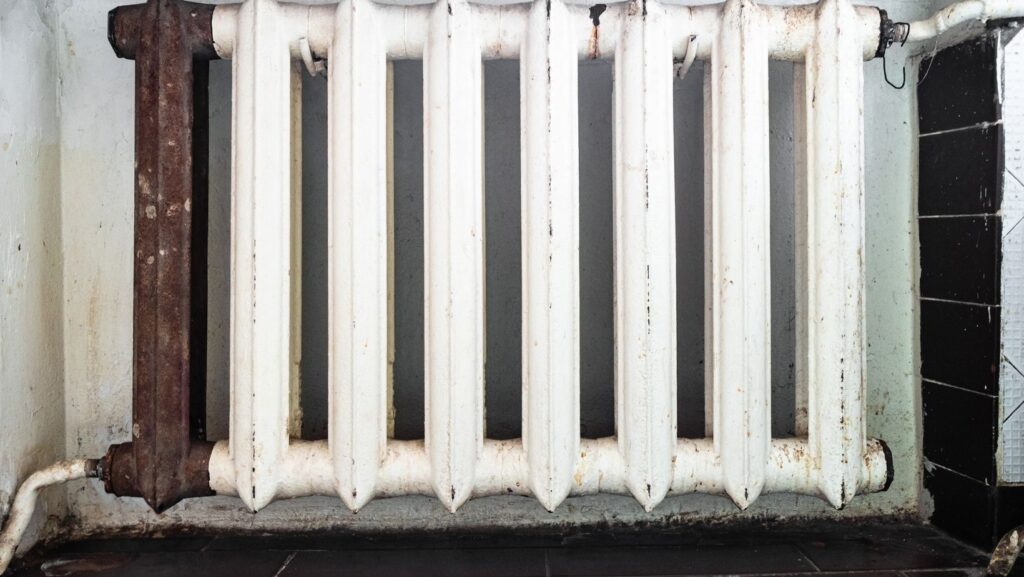
Over the past few decades, home heating technology has advanced tremendously, offering a wide range of options for efficient and aesthetically pleasing solutions. Despite these innovations, cast iron radiators continue to be a popular choice among homeowners and interior designers alike. This enduring appeal can be attributed to several unique advantages that these traditional heating systems offer, making them a coveted choice in both modern and period homes.
Unmatched Durability and Longevity
One of the foremost reasons for the sustained demand for cast iron radiators is their remarkable durability. Constructed from robust material, cast iron radiators are known to last for generations. Unlike their more modern counterparts, which might require replacement or frequent maintenance over the years, a well-maintained cast iron radiator can function flawlessly for decades. This makes them not only a prudent original purchase but also a cost-effective heating solution in the long term.
Superior Heat Retention and Distribution
Cast iron radiators excel in retaining and distributing heat more evenly throughout a room. This is due to their mass and the metal’s natural heat retention properties. Once heated, cast iron radiators continue to emit warmth long after the heating source is turned off, providing a consistent and gentle heat supply. This quality is particularly beneficial in environments subject to cold climates, ensuring a cosy and hospitable atmosphere without the need for constant energy consumption.
Aesthetic Appeal and Versatility
Beyond their functional benefits, cast iron radiators offer a distinct aesthetic appeal that many modern heating solutions cannot. Their classic design provides a touch of elegance and offers a retro look that complements both traditional interiors and those seeking a vintage or industrial vibe. Available in a variety of styles, finishes, and sizes, cast iron radiators can be customised to suit individual tastes and the demands of different spaces. This versatility makes them ideal for adding character and charm to any home.
Environmental Considerations
In an age where environmental considerations are increasingly influencing purchasing decisions, the eco-friendly aspects of cast iron radiators add to their appeal. Their long lifespan reduces the need for frequent replacements, thereby minimising waste. Moreover, the efficiency in heat retention means that energy consumption is often lower than with more modern, quick-cooling alternatives, leading to a reduced carbon footprint. Choosing cast iron radiators can be seen as a sustainable choice for environmentally conscious consumers seeking to reduce their impact on the planet.
Historical and Cultural Significance
Lastly, the historical and cultural significance of cast iron radiators cannot be overlooked. They are steeped in heritage, and their presence in older buildings and period homes often adds a layer of authenticity that contemporaneous heaters can’t replicate. For restorers and preservers of historical properties, maintaining the integrity of the building’s original design includes keeping such timeless elements. Consequently, cast iron radiators serve not just as heating devices but as treasured artefacts that offer a glimpse into architectural history.
In conclusion, the continued demand for cast iron radiators is a testament to their enduring appeal. Combining durability, efficient heat distribution, aesthetic versatility, environmental benefits, and historical value, they stand as a multifaceted solution for both practical and stylistic needs. As trends in home design and energy conservation evolve, it is likely that their popularity will continue, maintaining their status as a preferred choice for many.
Ben Austin is the founder and CEO of Absolute Digital Media, a UK-based SEO and digital marketing agency established in 2008. The agency specialises in regulated industries including iGaming SEO, financial services, legal, and healthcare, and has accumulated over 175 industry awards. Ben has 17 years of hands-on experience in technical SEO, link acquisition, and search strategy for compliance-sensitive sectors. He writes on organic search, AI-driven visibility, and LLM citation optimisation.