
Something's shifted in how Americans think about home repairs. Where a leaky faucet or a wobbly shelf once meant flipping through the phone book for a contractor, more homeowners are now grabbing a drill and figuring it out themselves. Washington Latest readers have likely noticed this shift firsthand, whether it's a neighbor building a raised garden bed or a coworker proudly showing off a DIY bookshelf on their lunch break.
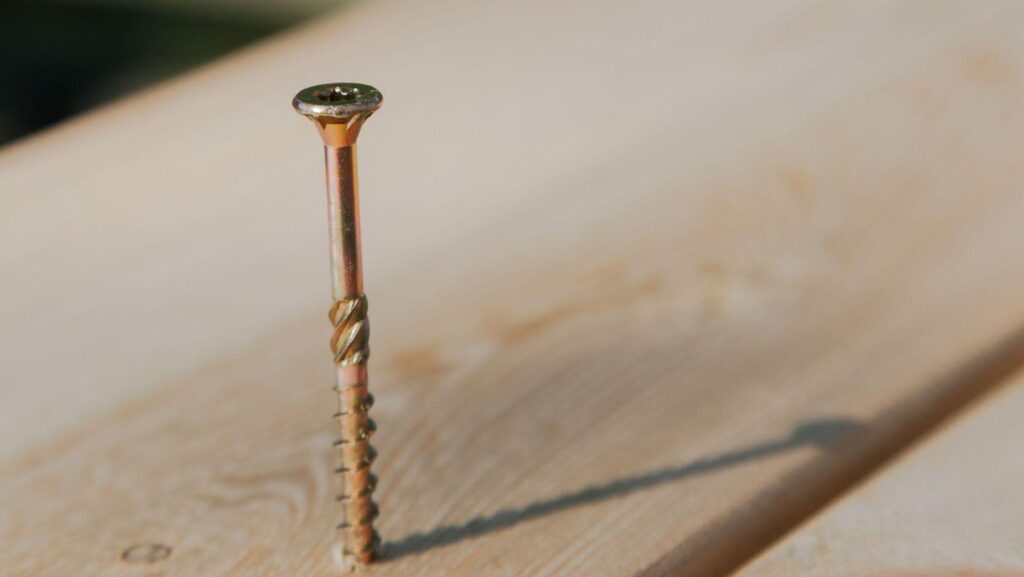
This isn't just a passing fad. It's a genuine behavioral change, and it often comes down to something surprisingly small: getting the fundamentals right. A lot of new DIYers focus on the big-picture project and treat fasteners as an afterthought, but the difference between a shelf that holds for ten years and one that pulls out of the wall within months usually comes down to using the right wood screws for the material and load, not just whatever's left in the junk drawer.
The Numbers Behind the Shift
Homeowner remodeling spending in the U.S. is projected to reach a new record high in 2026, according to the Harvard Joint Center for Housing Studies, even as growth rates ease slightly compared to prior years. What's notable isn't just that spending is up, but how that money is being spent. A growing share is going toward materials and tools rather than labor, as more households choose to do the work themselves instead of hiring out.
Cost is the obvious driver. Contractor rates have climbed steadily, and for a lot of households, paying someone else to hang a shelf or reseal a deck doesn't make financial sense anymore when the skills required are learnable in an afternoon. But cost isn't the whole story; plenty of DIYers cite the satisfaction of doing the work themselves, and no small number credit YouTube and social media for making once-intimidating projects feel approachable.
Why This Trend Isn't Slowing Down
A few forces are converging to keep this movement going. Younger homeowners, many of whom bought during a tight housing market, are more willing to learn new skills out of necessity. Older homeowners, meanwhile, are dealing with aging housing stock that needs near-constant upkeep. And across generations, there's a growing sense that basic home repair literacy is simply a useful life skill, not something to outsource by default.
None of this means contractors are going away. Complex electrical work, structural repairs, and major renovations still call for professionals, and for good reason. But for the smaller stuff such as shelving, furniture builds, and minor repairs, more Americans are deciding they'd rather do it themselves than wait on a callback that may never come.
The Takeaway for Washington Latest Readers
Whether this trend sticks around long-term or eases as the economy shifts, it's changed how a lot of households think about home maintenance. Getting comfortable with basic tools, understanding materials, and knowing which small details actually matter has become its own kind of modern home skill, one Washington Latest expects to see more of, not less, in the years ahead.